
Easy DIY Clay Mask For Hair to Detoxify The Scalp
If your hair feels weighed down, oily, or full of buildup, this DIY bentonite clay hair mask is an easy way to give your scalp and strands a deep natural cleanse.
Clay has been used for centuries in different parts of the world to help protect and care for both skin and hair, especially in dry or harsh climates.
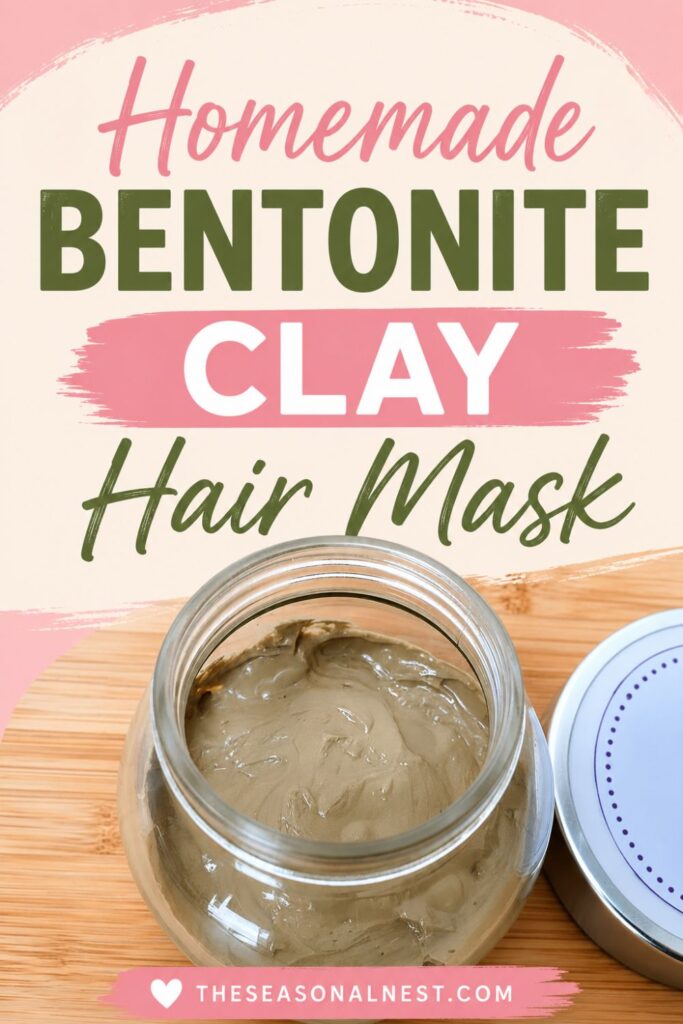
Bentonite clay, sometimes called Aztec healing clay, is a fine volcanic ash clay known for its powerful absorbent properties. When mixed into a hair mask, it can help remove excess oil, product buildup, and impurities while leaving the hair feeling refreshed and softer.

This post might contain affiliate links. In the event of a sale, I get rewarded a small commission, at no extra cost to you.
DIY Bentonite Hair Clay Mask Recipe
The clay is naturally oil and grease-absorbent and can help with dandruff by soaking up excess sebum.
This bentonite clay mask also helps remove dead skin cells, which clog hair follicles and can stifle hair growth, and it clears away product buildup on your scalp. It’s a great treatment to make your natural hair look and feel its best.
Utensils
- A non-metal bowl and spoon or spatula. Glass, wood, or plastic work best because metal can react with the bentonite clay and apple cider vinegar mixture.
- An old T-shirt or towel since the clay can get messy.
- A spray bottle with water or damp hair before application.
- Hair clips to section the hair.
- A shower cap or conditioning cap (optional).
- Gloves, if you prefer not to get messy.
- A deep conditioner to use afterward, especially if your hair feels dry.
Ingredients
- 4 tbsp bentonite clay
- 2 tbsp apple cider vinegar
- 2 to 3 tbsp water
- 1 tbsp jojoba or grapeseed oil
- 3 to 5 drops of tea tree oil (optional, for dandruff)
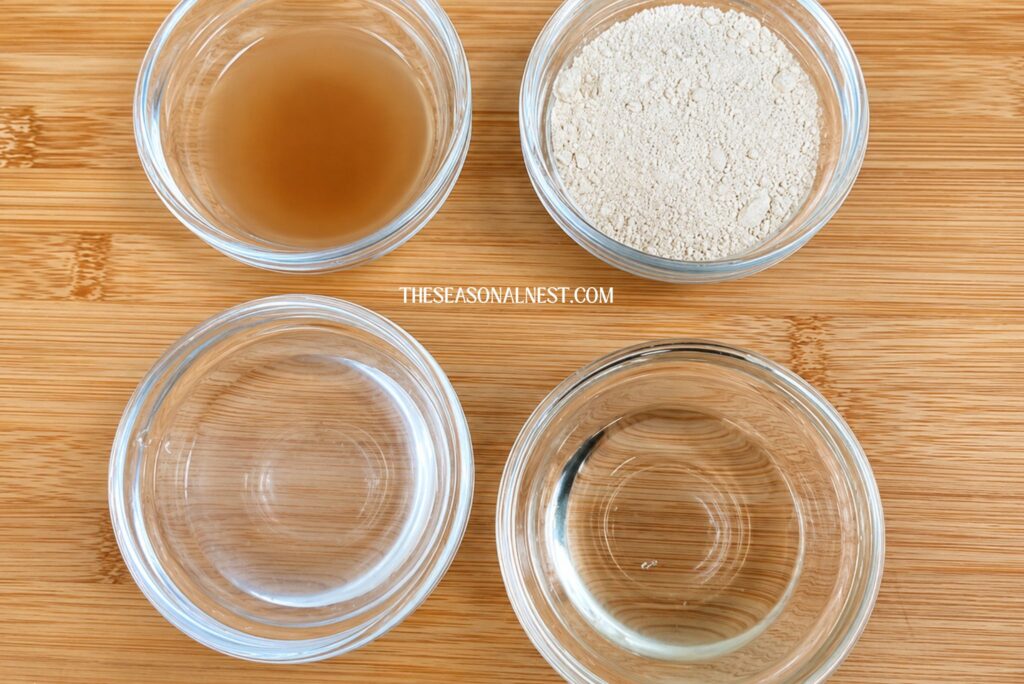
*If your hair is long, increase the amounts used proportionally.
Directions
Pour the clay powder into your bowl, and make a little well in the middle.
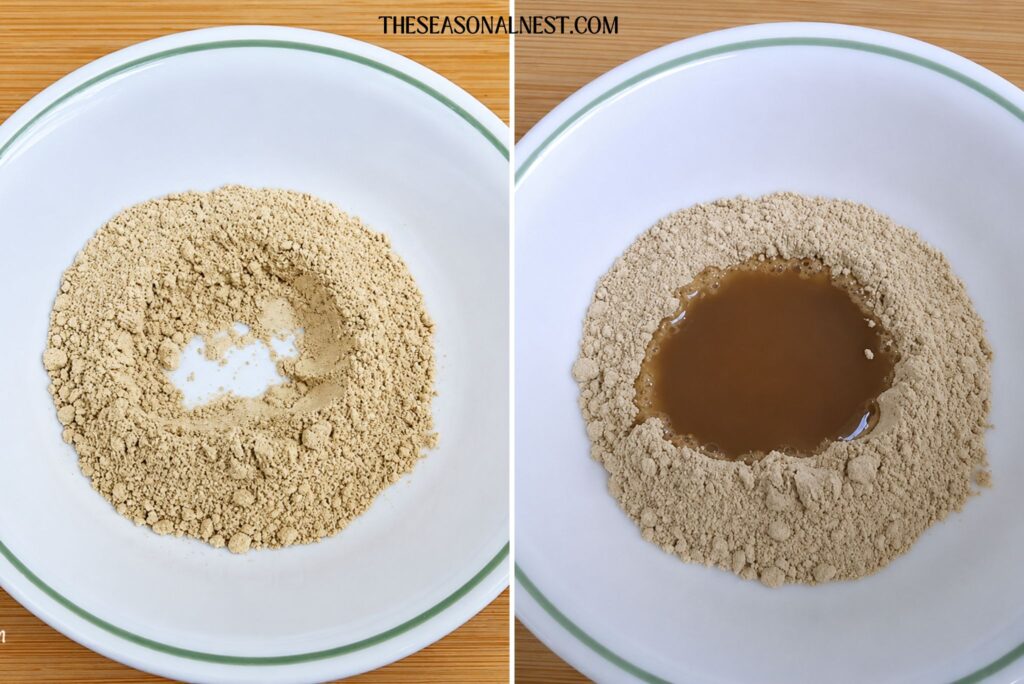
Add the apple cider vinegar to the well and mix the two.
Add the oil and mix thoroughly.
Lastly, add the water and mix again thoroughly.
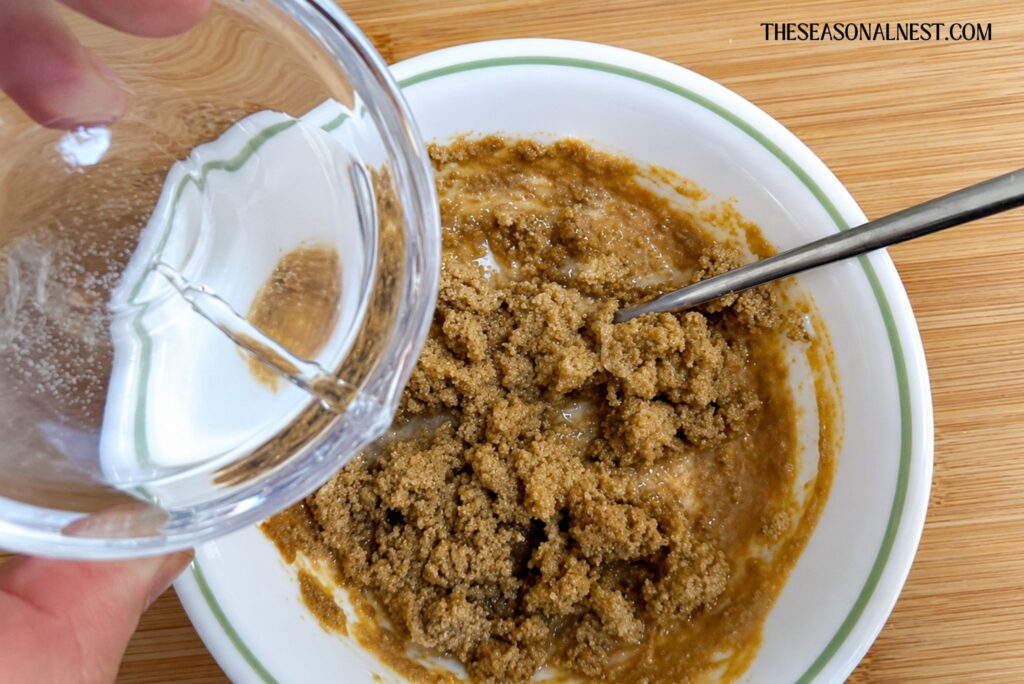
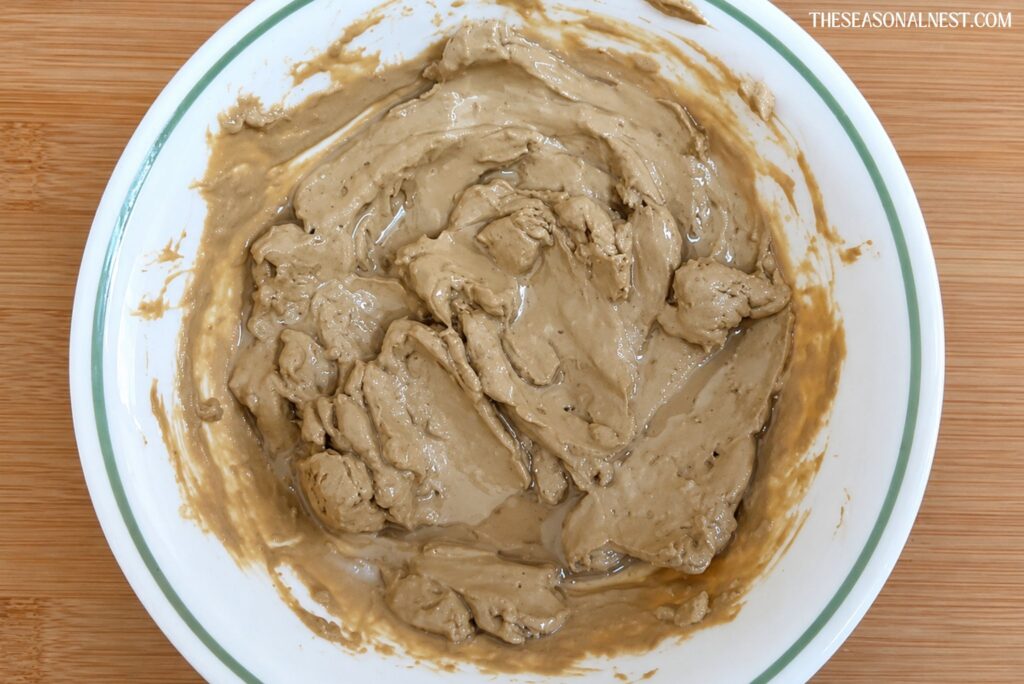
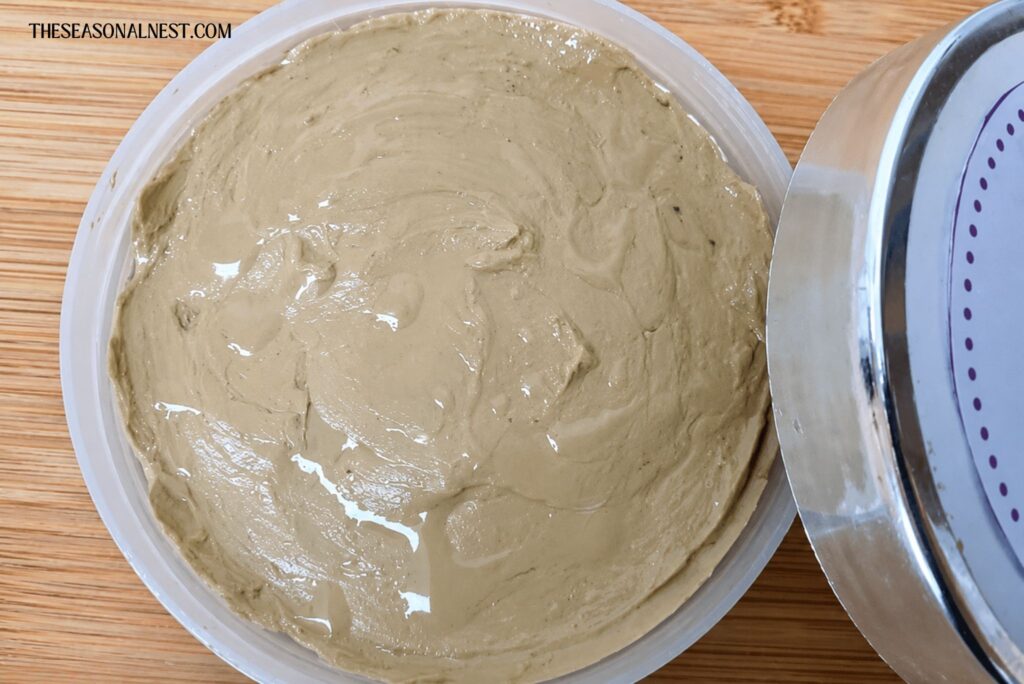
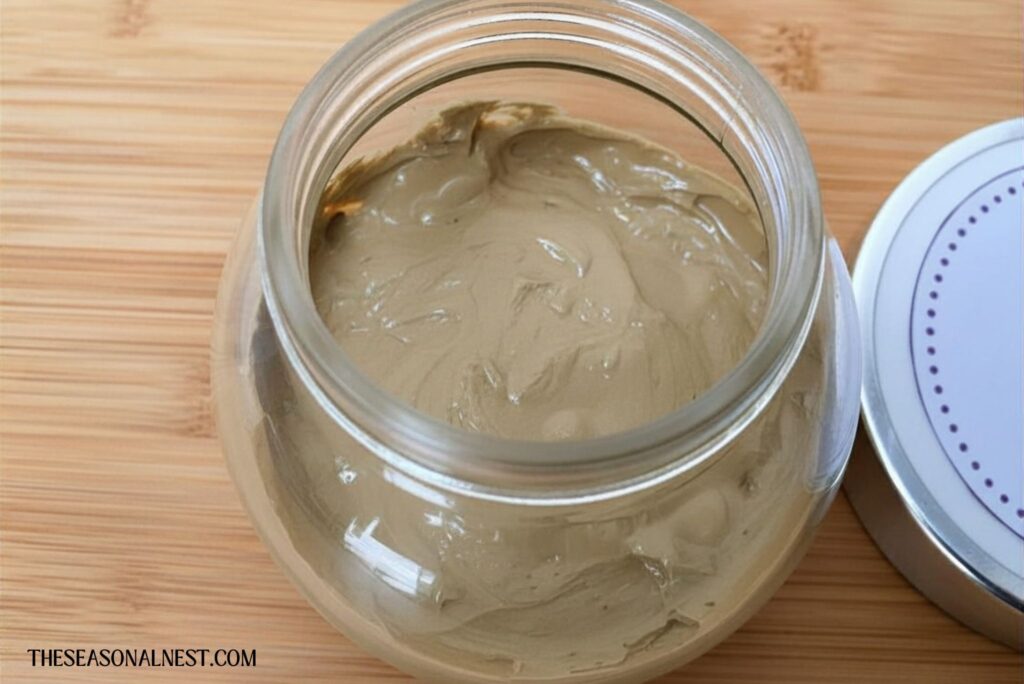
If the consistency is too thin for your liking, add a little more clay powder; if it’s too thick, add a little more water.
RELATED POSTS: DIY HAIR CARE RECIPES
How To Use It
- Section your hair with the clips, then spray each section with water to dampen it before applying your mask.
- Apply the mask mixture thoroughly from roots to tips in sections, making sure it gets into your scalp and covers every hair.
- Repeat on each section until the mask covers all of your hair.
- If you wish, you can cover your hair with a conditioning cap, or just let it hang out uncovered.
- Let the mask mixture sit on your hair for 20 minutes.
- Rinse really thoroughly. Depending on the length of your hair and how thick you like the mask, it may take a few rinses, but remember that you’re trying to get all the built-up dead skin cells and sebum off of your scalp as well as the clay, so make sure your hair is rinsed really well.
- Condition the hair with your favorite deep conditioning treatment.
- After conditioning and letting your hair dry, it will be soft, springy, and happy!
Other DIY hair articles you might like
- How to fix split ends with natural solutions
- Homemade flaxseed gel serum for hair and skin
- Tips to make your hair smell great
DIY Clay Mask For Hair: A Few Notes
Just a couple of notes of caution for sensitive folks: while bentonite clay is an all-natural product, it can contain trace amounts of lead, which can be absorbed into the skin (about the same amount that naturally occurs in carrots or sweet potatoes), which shouldn’t be a problem unless you already have lead toxicity issues.
If you have concerns about a particular bentonite clay product, you can look it up on the FDA website to check it out.
Also, as with any new product you’re using on your skin or hair, if you have sensitive skin, you may want to do a patch test of your final mixture before applying it, to make sure your skin is non-reactive.