
DIY Antioxidant face Cream Recipe
Maple trees are usually associated with syrup and beautiful autumn leaves, but recent research has sparked interest in their potential skincare benefits too.
Scientists discovered that compounds found in red maple leaves may help support skin elasticity by targeting elastase, an enzyme linked to the appearance of wrinkles and sagging skin. Inspired by this research,
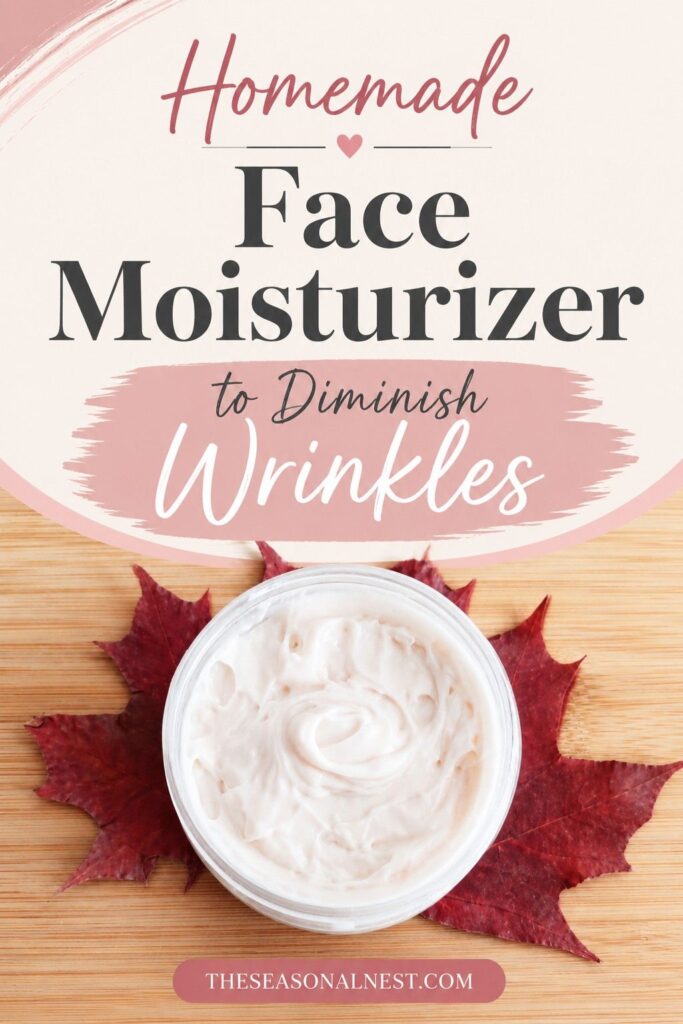
I wanted to create a nourishing homemade face cream using red maple leaf extract combined with moisturizing ingredients like shea butter, apricot kernel oil, and rosehip oil.
The result is a rich DIY moisturizer designed to leave skin feeling soft, smooth, and deeply hydrated.

DIY nourishing anti-aging moisturizer
As I mentioned earlier, scientists have recently discovered that red maple leaf extract has Botox-like properties that help reduce wrinkles and facial lines.
This extract inhibits the activity of elastase, which is the enzyme responsible for aging.
Ingredients
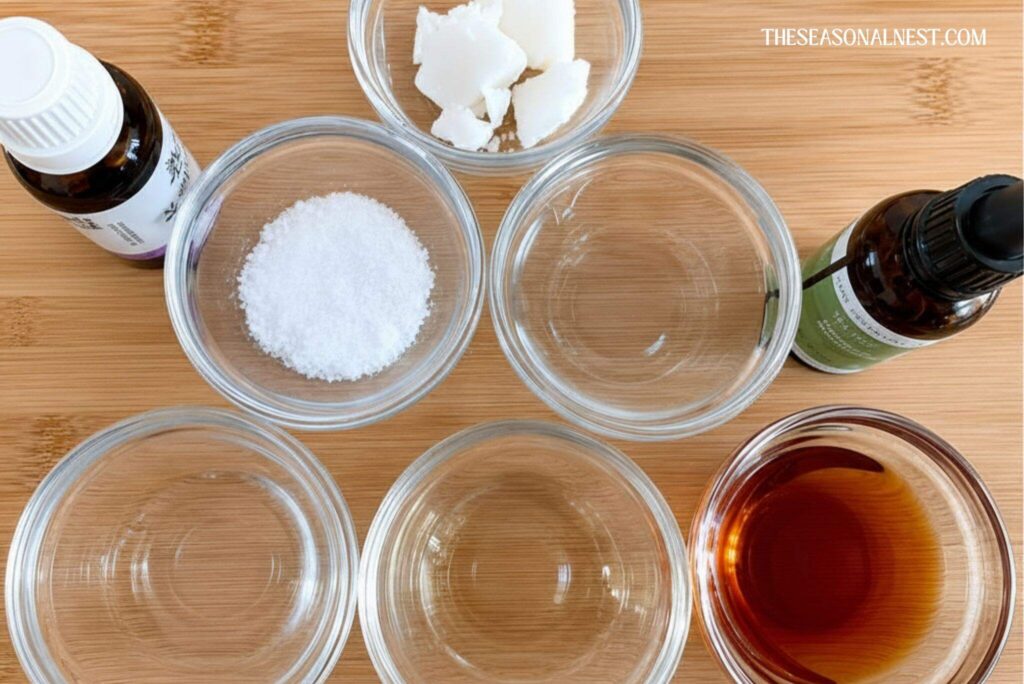
The recipe uses Shea butter, apricot kernel oil, vitamin E, and red maple leaves (dried).
For best results, it is advised that you use Shea butter, but if you can’t use it, opt for cocoa butter.
- Shea butter, 10 g
- Emulsifying wax, 5 g
- Apricot kernel oil, 8 g
- Distilled water, 15 g
- Red maple extract in propylene glycol, 10 g
- Vegetable glycerin, 2 g
- Rosehip oil, 5 to 8 drops
- Vitamin E, 0.5 g
- Broad-spectrum preservative, according to the supplier percentage
✅ Get the supplies you need for this DIY anti-aging cream from Amazon:
I bought dried red Maple leaves from Etsy.
To make this anti-aging cream, you need to have the Maple extract ready.
I made mine by macerating dried red Maple leaves in cosmetic-grade propylene glycol for one month.
If you don’t like the thought of using propylene glycol, try infusing the leaves in oils such as almond or sunflower.
How to Make It
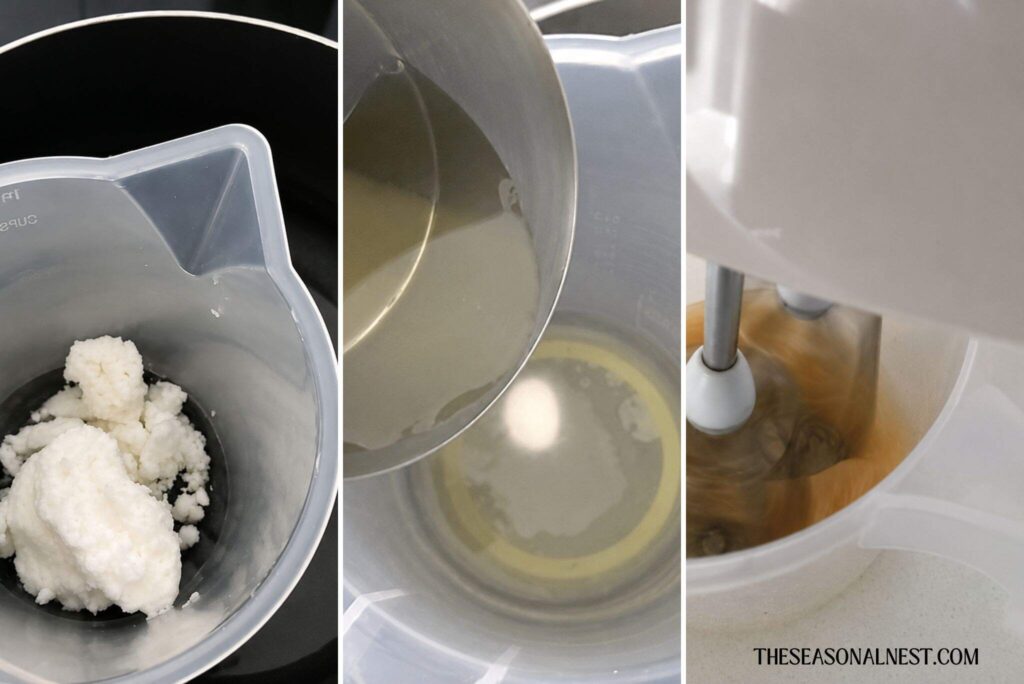
1. Place Shea butter and emulsifying wax in a heat-resistant container inside another container with water. Simmer over low heat.
2. Before the Shea butter is completely melted, add the oil of your choice. I have used apricot kernel.
3. Stir the mixture so that all the oils mix well.
4. Add the Maple leaf extract and stir.
5. Now, while beating with a hand mixer, start adding the distilled water slowly. Keep mixing for a few minutes until the mixture emulsifies and reaches a texture you are happy with.
6. Add rosehip oil and mix well.
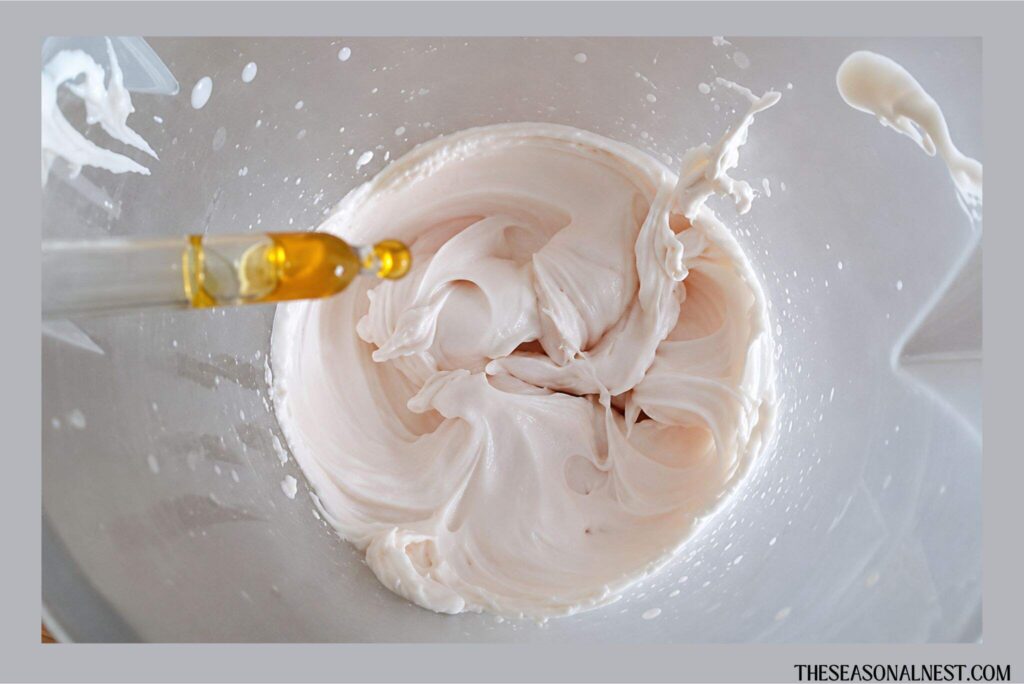
7. Add vitamin E oil and the essential oil of your choice, and mix it with the hand mixer.
8. The last ingredient should be a broad-spectrum preservative. Add the amount specified by the manufacturer’s instructions and stir thoroughly to ensure the preservative is distributed throughout the cream.
The moisturizer should be ready now. Transfer to a sterilized container with a lid.
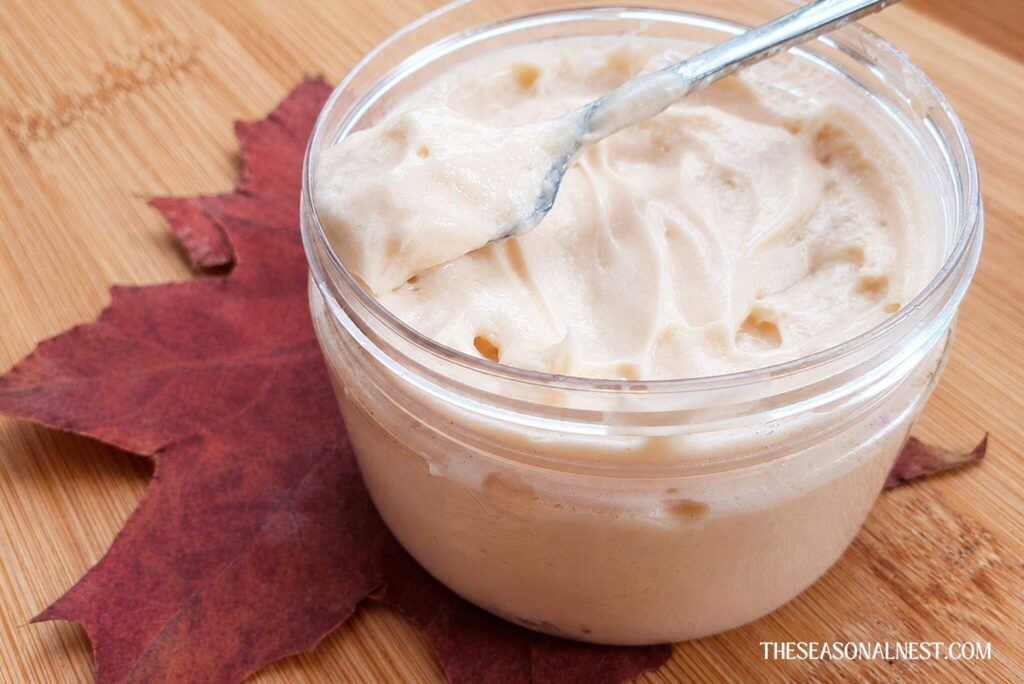
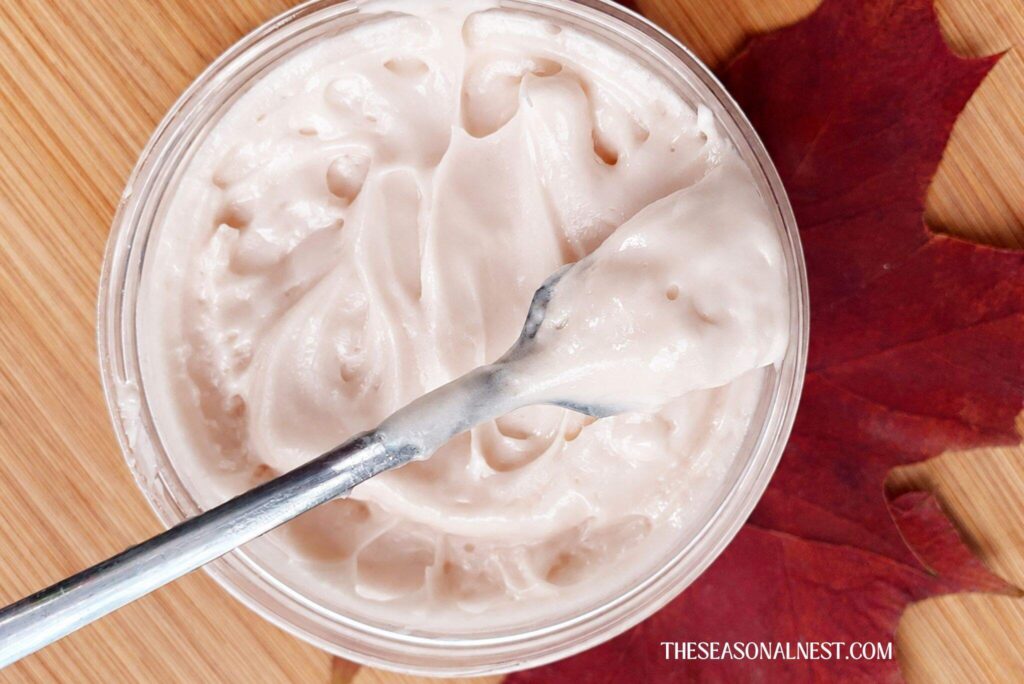
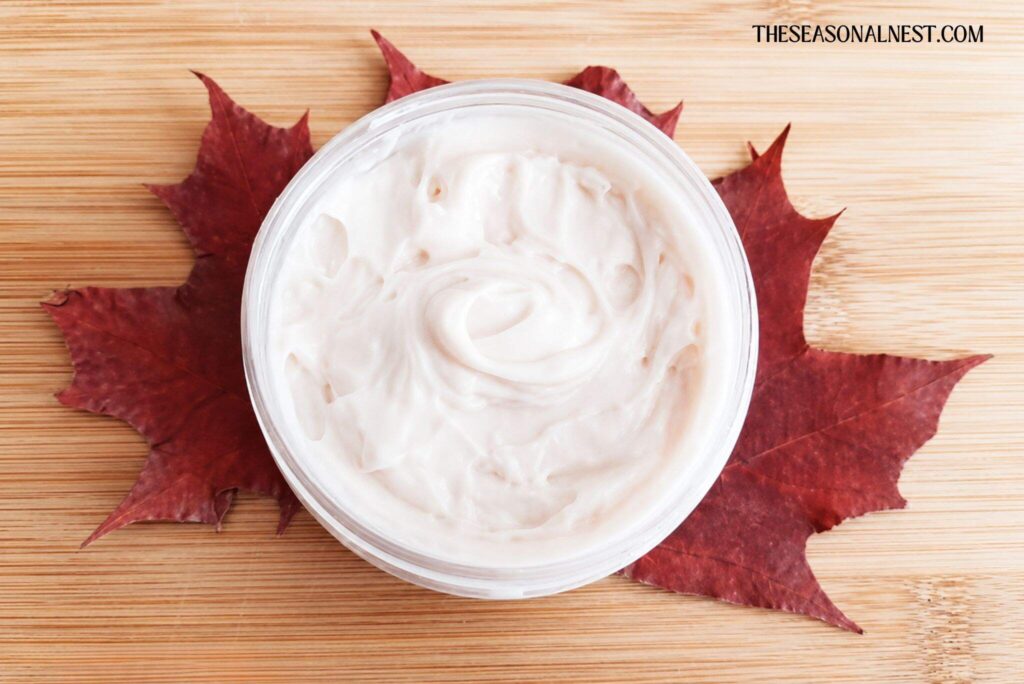
Make sure the container remains closed when you are not using the moisturizer.
It should be stored in a cool, dry place, away from direct sunlight.
GREAT RECIPES ON THE BLOG STUFF: 50+ beauty and skin care recipes you can make at home.
How to use this DIY anti-aging cream
1. Before you go to bed, wash your face and neck area and dry the skin with a towel.
2. It has a rich texture, so start by applying a small amount to the face and neck and massage in an upwards motion.
3. Use often for best results.
This DIY skin-tightening face mask works really well, too. Make it today for a natural facelift.
*If you are unsure, pregnant, breastfeeding, or taking medicines, consult your doctor.
Homemade creams you might like:
- DIY cream recipe to minimize stretch marks.
- DIY anti-aging face cream recipe to prevent facial sagging
- homemade rose water face cream to soften wrinkles
- learn how to make aloe vera face cream
Why These Ingredients?
Why are these ingredients effective?
Let’s see the skincare benefits of using these natural ingredients.
1. Red Maple Leaf
As mentioned earlier, scientists have recently discovered that red maple leaf extract has Botox-like properties that help eliminate wrinkles and lines.
This extract inhibits the activity of elastase, which is the enzyme responsible for aging.
If you want to find out about the anti-aging properties of Maple leaf extract, check this video by the American Chemical Society and Dr. Hang Ma.
2. Shea Butter
Please note that for the best results, you should only use new shea butter. Ideally, only use shea butter that is classified as Class A because it’s the best quality.
Experts at The American Shea Butter Institute say that shea butter loses its potency with age, so you should not use it if it is older than 18 months since it was extracted.
Class A shea butter possesses amazing anti-aging properties, which include clearing blemishes and wrinkles.
It also protects against sunburn and is perfect for dry skin.
Besides being a perfect moisturizer, shea butter also acts against skin rash, eczema, and dermatitis.
3. Apricot Oil
Apricot oil is rich in vitamins E and K, caffeic acid, which is a powerful antioxidant, and other catechins.
It is widely used in massage therapy to moisturize and soothe the skin.
People who have used apricot oil-based creams have been found to have soft skin that has a distinctive glow.
Daily use of apricot oil reduces wrinkles that appear around the eyes as well as fine lines on the face.
By reducing oxidative stress on the skin, apricot oil protects against skin cancer. It is also effective in the treatment of acne.
4. Vitamin E
The main use of vitamin E oil in an anti-aging cream is to tap into its moisturizing properties, which work to soothe dry skin.
This, in turn, helps to eliminate the signs of aging skin.
`Hi – like the article. Before you updated, am I correct that you had a recipe for extracting maple leaf in oil. Could you share that with me please?
Hi Elma,
Not sure if I had the recipe before but you can have a look at this page if you want to find out about macerating herbs and leaves in oils.
Thanks for stopping by!